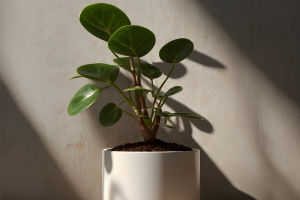
Hi, Readers! When a plant does not get enough water, the change can feel surprisingly quick.
Leaves that looked fresh and lively may begin to droop, curl, or lose their brightness. Stems can seem less firm, and the whole plant may look tired.
These visible changes happen because water helps plants stay upright, move nutrients, and keep basic life processes going. When that steady supply drops, the plant begins to struggle in ways we can often see right away.
Why wilting happens
Plants stay firm because their cells hold water and create internal pressure, often called turgor pressure. When water is lost faster than it is replaced from the roots, that pressure falls. As a result, leaves and softer stems begin to wilt. This is one of the clearest signs of water shortage. Wilting can happen during hot parts of the day even if the soil still has some moisture, but if water loss continues for too long, the plant may not recover easily.
Changes in leaves and stems
One of the first places water shortage shows up is in the leaves. They may roll inward, turn dry at the edges, or become smaller and less smooth. Some plants develop yellowing, while others simply look dull and limp. Stems may weaken too, especially in young plants or those with softer growth. If the shortage continues, older leaves may fall off as the plant tries to conserve what little water it still has.
How growth slows down
A plant without enough water often shifts from growing to simply surviving. New leaves may stop forming, roots may not expand as they should, and flowers or fruits may fail to develop well. Water is essential for carrying dissolved minerals through the plant, so a shortage affects nutrition too. Over time, the whole plant can become stunted. Even if it stays alive, it may look much smaller and less healthy than expected.
What happens inside the plant
Inside the plant, water shortage affects photosynthesis and temperature control. Tiny openings in leaves, called stomata, usually open to allow gas exchange. When water is scarce, they close to reduce water loss. This helps the plant conserve moisture, but it also limits the intake needed for making food.
With less photosynthesis, energy production drops. The plant may also heat up more easily because it cannot cool itself as effectively through water loss from the leaves.
From stress to lasting damage
If the dry condition continues, the damage can become serious. Cells may be injured, tissues can dry out, and parts of the plant may die back. In severe cases, the whole plant can die if roots can no longer supply enough water to support living tissue. Some plants are adapted to dry environments and can handle water shortage better than others, but even hardy plants have limits. Recovery depends on how long the stress lasted and how badly the plant was affected.
What these signs mean for care
Watching for drooping, curling leaves, dryness, slow growth, and leaf drop can help you respond early. Checking soil moisture, watering deeply when needed, and reducing harsh midday sun for stressed plants can make a real difference. Plants often give us quiet signals before the situation becomes severe. Noticing those signals early is one of the kindest ways to care for them.
When plants lack water, they do much more than simply look dry. Their shape, growth, and inner processes all begin to change as they try to cope. If you have a plant at home, take a close look at its leaves and stems from time to time. Those small signs can tell a very important story, and catching them early can help your plant feel lively again.