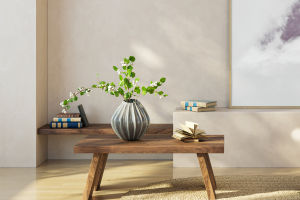
A simple outdoor corner has the potential to become a peaceful retreat where one can relax, breathe deeply, and reconnect with nature.
A well-designed garden relaxation space is not only about visual appeal; it is about creating an environment where comfort, balance, and everyday living come together naturally.
The good news is that a large yard or complex design is not required. With thoughtful planning and clear intention, any outdoor space can be transformed into a calming personal escape.
Choose the Right Location
Every effective garden design begins with selecting the right spot.
An ideal area is one that feels quiet, receives soft natural light, and allows steady airflow. These conditions help establish a comfortable and refreshing atmosphere throughout the day.
In larger outdoor spaces, positioning the relaxation area near trees or dense greenery can provide natural shade and enhance the sense of calm. Plants also soften the visual environment, making the space feel more inviting and balanced.
For smaller areas, corners or walls can be used effectively. Even compact spaces can feel comfortable when arranged with intention and simplicity.
Create Clear Functional Zones
A well-organized layout improves both usability and comfort.
Dividing the space into simple zones helps define its purpose without overcrowding the design.
A seating area can support reading, resting, or casual conversation. A dining area can be used for light outdoor meals or gatherings. If space allows, a small activity corner can also be added for flexible use.
When each area has a clear function, the garden feels more structured, open, and enjoyable to use.
Design Natural Movement Flow
Comfort in a garden is also influenced by how easily one can move through it.
Pathways should feel intuitive and uncluttered, allowing smooth transitions between different areas.
Using natural materials such as stone textures, gravel, or simple paving helps guide movement while blending seamlessly into the outdoor setting. A clear and open layout enhances relaxation and reduces visual stress.
Select Comfortable Outdoor Furniture
Furniture plays a key role in shaping the experience of the space.
Outdoor seating should prioritize comfort, durability, and simplicity. Light woven designs can blend well with greenery, while cushioned seating adds softness for extended relaxation.
Outdoor sofas with neutral tones and supportive cushions create a welcoming atmosphere. Tables made from natural materials such as wood or stone add stability and complement the overall design.
The goal is to create a space that naturally encourages people to sit, stay, and unwind.
Incorporate Layered Planting
Plants are the foundation of any relaxing garden environment.
A thoughtful combination of plant heights adds depth and visual harmony.
Tall plants or trees provide structure and shade, mid-height flowering plants introduce seasonal color, and low ground cover adds softness and continuity. Together, these layers create a balanced and dynamic natural setting.
This approach helps the garden feel more alive while maintaining a sense of calm.
Add Soft Lighting for Atmosphere
Lighting transforms the garden experience during the evening hours.
Soft, warm lighting around seating areas creates a comfortable and welcoming atmosphere. Subtle pathway lighting improves visibility while maintaining a gentle ambiance.
Avoiding harsh brightness ensures the space remains soothing and visually balanced. When combined with plants and natural textures, lighting enhances depth and warmth.
Introduce a Water Feature
A water element can bring a refreshing and calming presence to the garden.
The gentle sound of flowing water adds rhythm and tranquility to the environment.
Whether through a small fountain or a simple water basin design, this feature can serve as both a visual focal point and a sensory enhancement. Even minimal water elements can significantly elevate the overall atmosphere.
Add Meaningful Personal Touches
Personal details help transform a garden from a designed space into a lived-in environment.
Simple decorative elements such as patterned cushions, outdoor décor, or handcrafted accessories can reflect individual style.
The focus should remain on comfort and authenticity rather than perfection. Every addition should feel natural and aligned with the overall atmosphere of the space.
Final Thoughts
A well-designed garden relaxation space is the result of thoughtful choices rather than complexity. From selecting the right location to arranging furniture, plants, lighting, and subtle details, each element contributes to a unified and peaceful environment.
With careful planning, even a small outdoor area can become a meaningful retreat that supports rest and daily enjoyment.