There's a specific satisfaction to an arrangement that feels like it belongs to the moment — something about it just matches the air outside, the light, the general mood of the season.
That quality isn't magic. It comes from choosing flowers that are genuinely in season, arriving at their natural peak with richer colors, stronger stems, and a vase life that doesn't disappoint.
Spring: Soft, Fresh, and Full of Promise
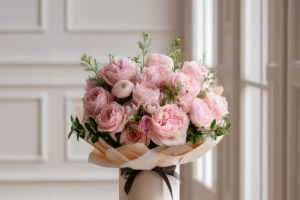
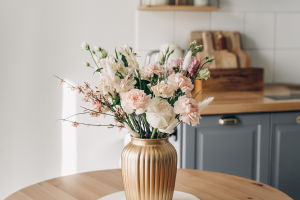
Spring is the season of renewal, and its palette reflects exactly that — pale pinks, buttery yellows, fresh whites, and soft greens. The flowers that define this season feel light and delicate rather than bold. Tulips are probably the most immediately recognizable spring bloom: sculptural, clean, and available in almost every color. Ranunculus brings ruffled, layered petals that look more complex and romantic than their price usually suggests, which is why they're a staple in spring wedding work. Daffodils are the season's early arrivers, cheerful yellow and white trumpets that signal winter is genuinely over. Hyacinths bring intense, sweet fragrance alongside pastel spikes in lavender, white, and soft pink. For spring arrangements, the goal is lightness and airiness. Mix tall and short stems, incorporate fresh ferns or eucalyptus for texture, and keep everything in airy vases that let the light through.
Summer: Bold, Abundant, and Unapologetically Vivid
Summer doesn't do subtle. The light is brighter, the colors are richer, and the blooms reflect that energy entirely. Sunflowers are the season's most iconic choice — golden, loyal, large-faced, and instantly optimistic. Dahlias are summer's statement flower: symmetrical, structured, and available in sizes from coin-sized pompons to dinner-plate specimens in deep crimson, coral, and gold. Zinnias bring a playful, heat-loving burst of color that photograph beautifully in fuchsia, orange, and lime green. Garden roses at summer peak have a layered, antique quality with fragrance that fills a room. Lisianthus looks like a rose but lasts longer in the vase, making it a practical luxury for summer heat. The palette here goes vivid: oranges, fuchsias, corals, golden yellows. For summer arrangements, lean into abundance — fuller vessels, more stems, bolder contrasts.
Fall: Earthy, Moody, and Richly Textured
Autumn's arrangements feel grounded and warm, driven by deeper tones and interesting textures that don't appear in other seasons. Chrysanthemums are fall's workhorse — layered, long-lasting, available in rust, burgundy, and golden shades that seem made for the season. Antique hydrangeas, softly faded to muted purples and dusty greens, carry a nostalgic quality that fresh hydrangeas can't replicate. Marigolds bring a bright, spicy-scented intensity in orange and gold. Dahlias continue well into fall, and their rich, complex colors reach their peak in the cooler months. Adding branches, dried seed pods, or colorful foliage like maple leaves deepens the texture without adding cost. Fall arrangements look best in rustic containers — wooden boxes, matte ceramic, copper — rather than clear glass.
Winter: Refined, Quiet, and Intentional
Winter's floral beauty lies in restraint. With much of nature at rest, winter arrangements lean toward whites, greens, and carefully chosen contrasts. White roses — timeless and serene — anchor many winter designs. Winter arrangements also benefit from strong structural elements like pine, cedar, and eucalyptus, which add depth and a subtle natural scent. Textures are especially important in this season, so mixing soft petals with fir needles or frosted branches creates contrast without needing many flowers. The overall effect should feel calm but intentional, with each stem placed to highlight simplicity and form rather than abundance. Amaryllis is winter's drama flower: tall, trumpet-shaped, and commanding in deep red or crisp white. Paperwhites are delicate and fragrant, grown indoors and carrying a quiet grace.
Working with seasonal flowers not only creates more beautiful arrangements, but also connects floral design to the rhythm of nature. Each season brings its own textures, colors, and emotions — and choosing blooms at their peak helps every arrangement feel more authentic and alive.