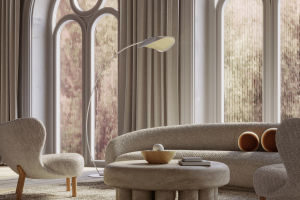
When it comes to choosing the perfect sofa, many of us tend to focus on the aesthetics—how it looks in the living room, the color palette, or whether it matches our interior design.
But the real magic lies beneath the surface. The comfort and longevity of your sofa are determined by less obvious factors like seat depth, foam density, and fabric durability.
Let's explore how these physical parameters can make or break your lounging experience.
1. Seat Depth: The Foundation of Comfort
The seat depth of your sofa may seem like a small detail, but it's one of the most important measurements when it comes to comfort. Seat depth determines how you sit and how your body aligns with the couch. If it's too shallow, you might feel cramped, and if it's too deep, your feet may dangle or you might sink too far back.
Standard vs. Deep Seats
Typically, seat depths range from 20 to 24 inches, but this can vary. For people with shorter legs or those who prefer to sit upright, a shallower seat might be ideal. On the other hand, deep seats—30 inches or more—are perfect for those who like to lounge, lean back, or even take naps on the couch. It's all about finding the right balance for your sitting posture.
Tailored Fit
While standard seats work for most people, customizing the depth can ensure better support for your body type and sitting habits. If you're uncertain, test it out. Sit down, lean back, and see if you feel supported or uncomfortable. That's how you know if the seat depth is right for you.
2. Foam Density: The Key to Long-Term Comfort
When it comes to sofa cushions, foam density is critical for both comfort and durability. Foam is what gives the cushion its shape and support, so the higher the density, the firmer and more resilient the cushion. A high-density foam cushion is less likely to sag over time, providing consistent support.
Low vs. High Density
Low-density foam (less than 1.5 pounds per cubic foot) feels soft and plush initially but tends to lose its shape faster, resulting in a less supportive seat over time. High-density foam (greater than 2 pounds per cubic foot) offers more firm support and retains its shape better, making it a good investment for long-term use. If you're looking for a sofa that maintains its comfort over years of use, aim for medium to high-density foam.
Layering Foam
Some sofas feature layered foam, combining different densities for a balance of comfort and durability. This multi-layered approach provides a softer feel on top, with firmer support beneath, ensuring you get the best of both worlds.
3. Fabric Durability: Choosing the Right Material
The fabric of your sofa not only affects its look but also its durability. When selecting a sofa, consider how much wear and tear it will endure. Will it be a high-traffic piece that gets lots of use? Or will it be in a more relaxed, low-traffic area? Different fabrics have varying levels of resistance to stains, fading, and abrasion, which all play a role in how long your sofa stays looking fresh.
Wear Resistance and Abrasion Testing
One of the key indicators of fabric durability is its abrasion resistance. This is typically measured by the Martindale test or the Wyzenbeek test, which determine how many rubs a fabric can withstand before it begins to wear down. A fabric rated for over 30,000 rubs is considered highly durable and ideal for households with pets or children.
Choosing the Right Fabric
Natural fabrics like cotton or linen are breathable and comfortable, but they might not be as durable as synthetic options like polyester or microfiber. If your sofa will see a lot of use, a fabric blend or a high-performance synthetic material might be better suited for your needs. Performance fabrics, such as Sunbrella or Crypton, are designed to be stain-resistant and easy to clean, making them an excellent choice for active households.
4. The Impact of Fabric Color on Maintenance
While fabric durability is important, the color of your sofa fabric also plays a role in how easy it is to maintain. Lighter fabrics, while giving a fresh and airy look to the room, tend to show dirt, stains, and wear more easily. Darker fabrics, on the other hand, are better at hiding spills but might absorb more heat, making them uncomfortable in warmer climates.
Lighter Fabrics for a Brighter Feel
Lighter colors such as white, cream, or pastel tones can open up a room and give it a more spacious feel. However, they do require more frequent cleaning and maintenance. Regular washing or spot cleaning is essential to keep them looking pristine.
Darker Fabrics for Low Maintenance
If you prefer a low-maintenance sofa, consider darker shades like charcoal, navy, or deep brown. These colors are better at disguising stains and marks, making them a good choice for homes with pets or children.
5. Conclusion: Comfort is More Than Skin Deep
When selecting a sofa, it's easy to get caught up in the look and style. However, paying attention to the physical parameters—such as seat depth, foam density, and fabric durability—can make all the difference in comfort and longevity. A sofa is an investment, and choosing the right one for your lifestyle will ensure it provides both comfort and support for years to come.
So, next time you go sofa shopping, remember: looks aren't everything. It's the hidden features—how deep you sit, how long the foam lasts, and how well the fabric holds up—that truly matter. Test it out, feel the comfort, and make an informed decision. Your body will thank you later!