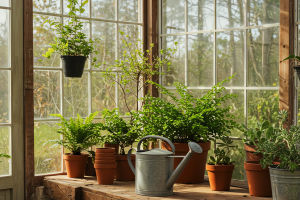
Soil may look unchanged over time, but beneath the surface, a quiet transformation is always happening. For Lykkers who care about thriving plants, understanding soil is just as important as watering or light.
What once felt rich and supportive can slowly lose its vitality, even if it still looks the same.
This guide explores how soil gradually loses its life and what signs reveal this hidden change. More importantly, it shows how you can restore and maintain healthy soil with simple, practical actions. Once you understand what is happening below the surface, plant care becomes more intuitive and effective.
What Happens When Soil Gets Old
Soil is not just a growing medium. It is a living system filled with nutrients, air spaces, and tiny organisms. Over time, this system shifts, and you can start to notice subtle but important changes.
Nutrients Slowly Run Out
Plants rely on soil for essential nutrients, but these resources are not endless. Each time a plant grows, it absorbs what it needs, gradually reducing what remains in the soil.
You might notice slower growth or leaves that look less vibrant. Even with proper care, the plant seems less responsive. This is often a sign that the soil no longer has enough nutrients to support strong development.
Soil Structure Breaks Down
Healthy soil has a light, airy texture that allows roots to move and breathe. Over time, repeated watering and settling can compress the soil, making it denser.
When this happens, water may drain poorly or pool on the surface. Roots struggle to expand, and growth becomes restricted. You may feel that the soil has become heavy or compact when touched.
Micro Life Fades Away
A healthy soil environment contains beneficial microorganisms that support plant growth. These tiny helpers break down organic material and make nutrients more available.
As soil ages, this activity can decline, especially if the soil is not refreshed. Without this support system, plants lose an important part of their growth environment, even if everything looks normal on the surface.
Salt and Residue Build Up
Over time, minerals from water and fertilizers can accumulate in the soil. This buildup can affect how roots absorb water and nutrients.
You might see a light residue on the surface or notice that water does not absorb as easily as before. This is a sign that the soil environment is becoming less balanced.
How to Bring Soil Back to Life
The good news is that tired soil is not a lost cause. With a few simple actions, you can restore its vitality and create a better environment for your plants. This process is both practical and surprisingly satisfying.
Refresh with New Material
One of the easiest ways to improve old soil is to mix in fresh material. Adding new soil or organic matter helps restore nutrients and improve texture.
You do not need to replace everything at once. Even partial refreshing can make a noticeable difference. Over time, this helps rebuild a healthier balance.
Loosen the Soil Gently
If the soil feels compact, gently loosening it can improve airflow and water movement. This gives roots more space to grow and access what they need.
You can do this carefully around the edges without disturbing the plant too much. This small step often leads to better absorption and healthier growth.
Rinse Away Excess Build Up
If you suspect residue buildup, flushing the soil with clean water can help. Allow water to flow through the soil and drain out, carrying excess minerals with it.
This process refreshes the soil environment and improves how roots interact with water. It is a simple reset that can quickly improve conditions.
Reintroduce Organic Support
Adding organic material encourages beneficial activity in the soil. This supports a more balanced environment and helps nutrients become available again.
You may notice that plants respond with more consistent growth after this step. It is like giving the soil a second chance to support life effectively.
Repot When Necessary
Sometimes the best solution is a full reset. Moving your plant into fresh soil gives it a completely renewed environment.
This is especially helpful when the old soil no longer responds to smaller improvements. Repotting provides space, nutrients, and a clean foundation for growth.
Build a Simple Maintenance Habit
To prevent soil from becoming depleted again, regular care is key. This does not need to be complicated. Small actions, such as occasional refreshing or observing changes, go a long way.
You can treat soil care as part of your routine, just like watering. This keeps the environment stable and reduces the chances of major issues later.
Soil may appear unchanged, but over time it quietly loses the qualities that support healthy plant growth. By understanding how nutrients decline, structure changes, and balance shifts, you can recognize the signs early and respond effectively.
For Lykkers, restoring soil is not difficult. With simple steps like refreshing, loosening, and occasional repotting, you can bring life back to your plants and keep them thriving. When you care for the soil, everything above it naturally improves.