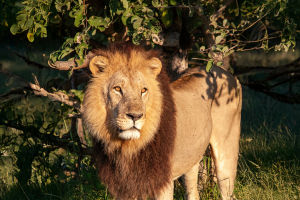
Lions are among the most iconic and admired animals in the wild. Known as the “king of the jungle,” they are not only powerful predators but also social and highly adaptable creatures. Observing lions in their natural habitats provides insights into complex social structures, survival strategies, and fascinating behaviors that are both awe-inspiring and educational.
While many people imagine lions roaming alone, these majestic animals are highly social, living in groups called prides. Understanding their habits offers a glimpse into a unique combination of strength, strategy, and cooperation in the animal kingdom.
Social Structure of Lions
Lions have a distinctive social system compared to other big cats. Unlike tigers or leopards, lions rely on cooperative living to survive and thrive.
1. Prides: A pride typically consists of several related females, their young, and a few mature males. Females usually remain in the same pride for life, while males may be challenged and replaced by outsiders.
2. Roles: Female lions are primarily responsible for hunting, often working together to capture prey efficiently. Males focus on protecting the pride and maintaining territory boundaries.
3. Communication: Lions communicate through vocalizations such as roars, which can be heard up to five miles away. Roaring helps defend territory, coordinate with pride members, and establish social hierarchy.
Hunting and Diet
Lions are apex predators, but their hunting strategies reveal intelligence and teamwork rather than sheer brute force.
1. Cooperative Hunting: Female lions usually hunt in groups to corner prey, making it easier to capture animals such as zebras, wildebeest, and antelopes.
2. Ambush Techniques: Lions often use stealth and cover to approach prey quietly, then launch a short, rapid attack.
3. Diet Diversity: While meat is their primary food source, lions can occasionally scavenge, especially during scarce seasons.
Unique Physical Traits
Several physical characteristics set lions apart from other big cats.
1. Mane: Male lions develop manes, which protect their necks during fights and signal strength to rivals and females.
2. Powerful Build: Lions have muscular bodies and strong limbs, allowing them to take down large prey.
3. Paw Adaptation: Their large paws and retractable claws provide both stealth and grip when hunting.
Conservation and Human Interaction
Although lions are admired worldwide, their populations are under pressure from habitat loss and human conflict. Conservation efforts focus on protecting natural habitats, reducing poaching, and supporting local communities. Wildlife reserves in Africa, such as those in Kenya and Tanzania, offer opportunities to observe lions responsibly, promoting awareness and preservation.
Visitors interested in seeing lions in the wild can plan safaris with local guides, ensuring safety while learning about lion behavior and ecosystem roles. Accommodation near these parks ranges from budget lodges at approximately $80 per night to luxury tented camps up to $400 per night. Guided tours typically cost between $50–$150 per day, depending on duration and services.
Reflections on the Majesty of Lions
Lions are more than symbols of strength—they embody a combination of social intelligence, adaptability, and resilience. Studying their behavior provides lessons in cooperation, strategy, and the importance of preserving ecosystems. Observing a pride at sunrise, with cubs playing and adults patrolling, reminds us that even the most powerful creatures rely on teamwork and care.
Learning about lions also reinforces the need for conservation. Protecting these magnificent animals ensures future generations can experience the wonder of wildlife and appreciate the intricate balance of life in the wild. Lions inspire both awe and reflection, teaching us that strength alone is not enough without community, vigilance, and harmony with nature.