Imagine walking along a forest trail and spotting a bear rummaging near a stream, pawing at rocks and sniffing the air.
What exactly is it looking for? Bears are opportunistic feeders with remarkable adaptability, and their diets vary widely depending on species, season, and habitat.
Understanding what and how bears eat reveals not only their survival strategies but also the intricate ways they interact with their ecosystems.
Omnivorous Diets Across Species
- Grizzly Bears
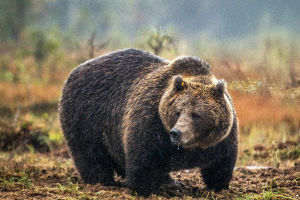
Grizzly bears consume a mix of plant and animal matter. In spring, they dig for roots and bulbs, while summer brings abundant berries and insects. In some regions, grizzlies hunt fish, especially during salmon runs, combining foraging with opportunistic predation to meet their energy needs.
- Black Bears
Black bears are highly adaptable foragers. Their diet includes nuts, fruits, insects, and small mammals. In northern forests, they may rely heavily on berries in late summer and acorns in autumn, demonstrating remarkable seasonal awareness and planning.
- Polar Bears
Polar bears are primarily carnivorous, feeding mostly on seals. They rely on their acute sense of smell to locate prey across vast ice expanses. Hunting techniques include stalking seal breathing holes and ambushing from ice edges, highlighting their specialization for Arctic life.
Hunting and Foraging Strategies
- Opportunistic Feeding
Bears often take advantage of available resources. They scavenge carcasses, raid fish streams, and even explore human areas for leftover food when necessary. This opportunism maximizes caloric intake in unpredictable environments.
- Seasonal Adaptations
Bears adjust their feeding strategies based on seasonal availability. Spring requires digging and foraging for early vegetation, summer focuses on berries and insects, and fall emphasizes high-calorie foods like nuts and salmon to build energy reserves for winter hibernation.
- Hunting Techniques
Some species, like polar and brown bears, actively hunt larger prey. They employ stealth, patience, and bursts of strength to capture animals such as seals, deer, or fish. Others, like black bears, combine foraging with occasional predation, reflecting flexibility in approach.
Specialized Skills and Ecological Roles
- Sensory Adaptations
Bears rely heavily on their senses. A black bear's sense of smell is among the most acute in the animal kingdom, allowing it to locate fruit or carrion from miles away. Polar bears use both smell and sight to detect prey across snowy landscapes.
- Energy Management
Foraging strategies are designed to conserve energy while maximizing calories. Bears often move slowly and methodically when searching for plants or insects but can unleash rapid bursts of speed when hunting. Efficient energy use is essential for survival, especially in harsh or seasonal environments.
- Impact on Ecosystems
By consuming plants, insects, fish, and mammals, bears help regulate populations and disperse seeds, contributing to ecosystem balance. Their omnivorous habits make them keystone species in many habitats.
Bears exemplify adaptability and intelligence through their diets and feeding behaviors. Observing their foraging and hunting reveals a combination of instinct, learning, and strategic planning that ensures survival in diverse and sometimes extreme environments.
From a grizzly digging for roots to a polar bear waiting silently by a seal hole, every meal reflects the bear's remarkable connection to its surroundings. These creatures remind us that survival is not just about strength but also about observation, flexibility, and the ability to respond to changing conditions. Watching a bear in its habitat, even from a safe distance, offers insight into the intricate balance of nature and the fascinating strategies that support life in the wild.