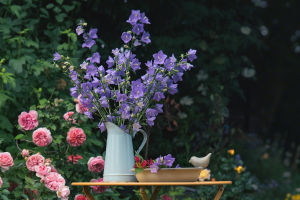
Step into a garden on a bright spring morning, and you might notice subtle differences in temperature, humidity, and sunlight from one corner to another.
One spot may feel warmer and drier, while another is cooler and damper.
These small-scale variations are called microclimates, and they can dramatically influence which plants thrive, when flowers bloom, and how vegetables ripen. Understanding microclimates can give gardeners an edge in creating a healthy, productive garden.
What Microclimates Are
Microclimates are localized areas within a larger environment where climate conditions differ slightly. These differences can be caused by factors like shade from trees, wind patterns, soil composition, or proximity to buildings. Even a single garden bed can host multiple microclimates.
Examples:
- A south-facing wall can create a warmer zone that allows heat-loving plants to flourish earlier in spring.
- Low-lying areas may retain cold air at night, increasing frost risk for sensitive seedlings.
Actionable tip: Map your garden's temperature, sun exposure, and wind patterns over a week. Use this map to place plants where conditions match their needs.
Sunlight and Shade Effects
Sun exposure is one of the most influential microclimate factors. Plants placed in shaded areas receive less energy for photosynthesis, which can slow growth or reduce flowering. Conversely, full sun areas may heat soil more quickly and dry out faster.
Examples:
- Lettuce and spinach perform well in cooler, partially shaded corners, avoiding bolting in warm sun.
- Tomato plants thrive in sun-rich areas but may need extra watering during hot spells.
Actionable tip: Track the path of the sun across your garden throughout the day and season. Adjust plant placement or use shade cloths to manage exposure effectively.
Temperature and Wind Variations
Even small differences in temperature can affect plant health. Microclimates created by walls, fences, or hedges can shelter plants from wind, reducing stress and moisture loss. Cold air pockets in depressions or near water features may increase frost risk, while heat-reflecting surfaces can warm nearby beds.
Examples:
- A stone wall reflecting sunlight can create a warm zone ideal for early-season herbs like basil and oregano.
- Windward edges of the garden may stunt young seedlings due to drying winds.
Actionable tip: Install windbreaks or plant taller, hardier species along windy edges. Protect frost-prone areas with row covers during cold nights.
Soil Moisture and Drainage
Soil conditions also vary across microclimates. Low spots may accumulate water, creating damp conditions ideal for moisture-loving plants but harmful to drought-tolerant species. Sandy, raised beds can dry out faster in sunny areas.
Examples:
- Ferns and hostas do well in consistently moist beds, often found near shaded depressions.
- Succulents thrive in raised, well-draining areas that heat up quickly in sunlight.
Actionable tip: Amend soil based on the moisture tendencies of each microclimate. Mulch wetter areas to reduce splashing and erosion, and use sandy or gravelly soil in fast-draining zones.
Using Microclimates to Your Advantage
By recognizing microclimates, gardeners can plant more strategically and extend growing seasons. Warm pockets can host early crops, shaded areas can cool sensitive plants, and wind-protected zones can nurture delicate seedlings. Paying attention to these subtle differences helps optimize plant health and yield.
Examples:
- Use a warm, sheltered corner to start peppers and tomatoes a few weeks earlier than the rest of the garden.
- Place shade-tolerant ornamentals under trees or along fences to reduce heat stress.
Actionable tip: Observe your garden throughout the year and experiment with plant placement. Note which areas tend to dry out, warm up, or stay cool, then rotate crops or ornamentals accordingly.
Microclimates remind us that no two garden spots are identical. By understanding and leveraging these subtle differences, gardeners can create thriving spaces for every plant, from sun-loving tomatoes to shade-preferring ferns. A careful eye and thoughtful placement turn small variations in the garden into big wins for growth and beauty.