When decorating your home, one of the most important decisions you'll make is choosing the right furniture to complement your interior style.
It's not just about finding pieces that look good; it's about creating a cohesive and harmonious environment that reflects your personality and makes you feel at ease. So, how do you coordinate furniture with your home's overall aesthetic? Let's break it down!
Know Your Interior Style
Before buying any furniture, it's essential to understand the interior style of the room. Different styles require different kinds of furniture. Whether you're going for modern minimalism, cozy boho, or traditional elegance, knowing your aesthetic will guide your furniture choices.
Modern Minimalism – Think clean lines, neutral colors, and functionality. For a minimalist style, go for sleek, low-profile furniture with a focus on quality materials like metal, glass, or polished wood.
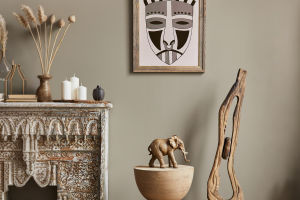
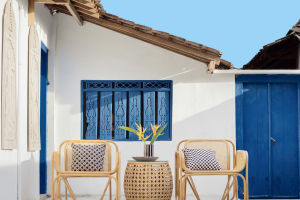
Boho Chic – This style embraces an eclectic mix of colors, textures, and patterns. For boho spaces, choose comfortable, inviting furniture with natural materials like rattan or wood, paired with colorful textiles and cushions.
Traditional Elegance – If you're leaning towards a more classic and formal look, opt for sturdy, timeless furniture made from rich woods, with traditional details like carved legs and plush upholstery.
By defining your style, you'll have a clearer sense of which furniture will work best.
Scale and Proportion Matter
The scale of your furniture is just as important as its style. Choosing furniture that's too large for a small room can make the space feel cramped and overwhelming, while too-small pieces in a large room might leave the space feeling sparse and underwhelming.
Small Rooms – In smaller rooms, go for compact, streamlined furniture. Choose pieces that allow for open space and flow, such as a sleek sofa or a smaller dining table. Avoid heavy, bulky items that will dominate the space.
Large Rooms – For larger rooms, you can afford to incorporate bigger furniture. A spacious sectional or a grand dining table will anchor the room and make it feel balanced.
Make sure the scale of the furniture matches the proportions of the room to create a sense of harmony.
Mix and Match, But with Purpose
One common mistake is to buy all your furniture in matching sets. While this may seem like a safe choice, it often leads to a monotonous, uninspired look. Instead, mix and match different pieces, but keep the design elements in mind.
Complementing Colors – When combining different furniture styles, it's important to choose complementary colors. For example, pair a deep blue armchair with a neutral-colored sofa to create contrast, or combine light wood furniture with darker elements for a balanced, layered look.
Texture Coordination – Vary the textures of your furniture to add depth to the room. A leather sofa with soft fabric throw pillows or a wooden coffee table with a velvet armchair will create interest without overwhelming the space.
It's all about finding a balance—contrast and variety make the room dynamic, while coordinating textures and colors ensures a cohesive feel.
Functional Furniture for the Room's Purpose
It's easy to get carried away with aesthetics, but don't forget that furniture also needs to be functional. The purpose of each room will determine the type of furniture that should go in it.
Living Room – A comfortable sofa, functional coffee table, and ample storage solutions like bookshelves or side tables are key. Don't forget lighting—lamps and overhead lights play a big role in creating the right mood.
Bedroom – For a bedroom, comfort and storage are paramount. Choose a bed that suits the space (king, queen, or twin) and complement it with nightstands, a dresser, and perhaps a cozy reading chair.
Home Office – If you're setting up a home office, ensure your desk is the right size for your work needs. Pair it with an ergonomic chair and some practical shelving to keep everything organized.
Your furniture choices should support how you intend to use the space. If you're furnishing a room for relaxation, comfort should come first, while functionality might take precedence in a workspace.
Lighting and Furniture: A Symbiotic Relationship
Lighting and furniture work hand-in-hand to enhance the room's atmosphere. A well-lit room will highlight the beauty of your furniture, while well-chosen pieces can affect how light is distributed across the room.
Ambient Lighting – This is your room's primary light source and will illuminate the entire space. Consider pendant lights, chandeliers, or recessed lighting that complements your furniture style.
Accent Lighting – Use accent lighting like table lamps or floor lamps to highlight specific furniture pieces or decor. This adds warmth and dimension to the space.
Task Lighting – In spaces like kitchens or offices, task lighting is essential for functionality. Ensure that your lighting fixtures are placed in a way that serves the room's purpose and enhances the furniture placement.
Don't Overcrowd the Room
A common mistake in home design is overcrowding a room with too much furniture. Remember, negative space is just as important as the furniture itself. Allow for breathing room between pieces to keep the space feeling open and inviting.
Leave Space for Movement – Ensure there's enough space to move freely around the furniture. A good rule of thumb is to leave at least 2 to 3 feet between larger pieces, like sofas or chairs.
Focus on Key Pieces – Instead of filling every corner with furniture, focus on a few key pieces that create a strong visual impact. Whether it's a statement sofa or an eye-catching dining table, make sure the furniture you select serves as the focal point of the room.
Choosing the right furniture for your home involves more than just selecting the right pieces. By understanding the balance of style, scale, functionality, and lighting, you can create a space that is both visually appealing and comfortable. Take your time, experiment with different combinations, and most importantly, make sure your furniture choices reflect your personality and lifestyle.