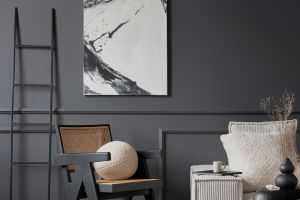
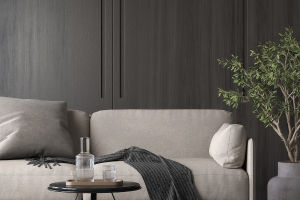
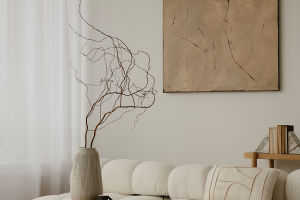
Some rooms look beautiful in photos yet feel uncomfortable in daily life. Others seem simple at first glance but become places where you naturally relax, think clearly, and rest well.
The difference usually isn't money or size. It's the quiet alignment between space, light, texture, and the rhythm of everyday living.
Thoughtful home decoration focuses less on showing style and more on supporting how you actually spend your time.
Begin with how the room is used
Clear purpose, Easy movement, Natural comfort
Before changing colors or buying new items, pause and notice what really happens in the room. A living area might be meant for conversation, quiet reading, or simple rest after a long day. When decoration matches real behavior, the space immediately feels more comfortable.
Watch how people move through the room during a normal day. Paths should stay open and smooth.
Place the most-used seat where light, airflow, and visibility feel balanced.
Remove one unnecessary object from a crowded surface to create breathing space.
Try this practical step: sit in your favorite chair for five minutes without distractions. Notice what feels slightly inconvenient—maybe the light is too dim or a table is just out of reach. Fixing that single detail often improves the entire room more than buying something new.
Use light to shape mood gently
Soft warmth, Quiet calm, Better evenings
Light is one of the most powerful yet overlooked design tools. Strong overhead brightness can feel harsh, while layered, gentle lighting creates relaxation and depth. The goal isn't dramatic contrast but steady comfort throughout the day.
Combine layered sources: overhead (ambient), task lighting where needed, and a softer lamp near seating.
Choose warm-toned bulbs for evening areas so the space feels restful rather than alert.
Let natural daylight remain the main source whenever possible by keeping windows visually open.
An easy upgrade: switch on only lamps one evening instead of the main ceiling light. Many people notice the room instantly feels calmer, encouraging slower conversation and deeper rest.
Choose colors that stay pleasant over time
Visual balance, Emotional ease, Long-term harmony
Color decisions often happen too quickly. A shade that looks exciting in a store may feel overwhelming after weeks of daily exposure. Gentle, balanced tones usually age better and support many moods.
Start with neutral base colors for large surfaces like walls or flooring.
Add personality through smaller elements such as cushions, art, or throws that are easy to change.
Limit the main palette to three or four coordinated tones to avoid visual noise.
A helpful method: gather small samples of colors you like and place them in the room for two full days. Seeing them in morning and evening light reveals which tones truly feel comfortable.
Add texture for quiet depth
Warmer feeling, Richer detail, Subtle interest
Even with perfect color and lighting, a room can feel flat without variation in texture. Texture invites touch and creates emotional warmth without needing bold decoration.
Mix soft fabrics with smooth surfaces to create gentle contrast.
Include natural materials such as wood, cotton, or woven fibers for an organic feeling.
Keep patterns simple so the room stays calm rather than busy.
One small change to try: place a soft throw or textured cushion where you usually sit. Physical comfort often shifts emotional comfort more than visual decoration alone.
Let personal meaning guide the final details
True connection, Quiet memories, Authentic style
The most welcoming homes rarely look staged. Instead, they include objects connected to real experiences—books that were actually read, photos that recall specific days, or handmade items chosen slowly over time. These details create emotional depth that trends cannot replace.
Display a few meaningful objects instead of many random decorations.
Rotate seasonal or sentimental items so the space evolves naturally.
Leave some empty space so each object feels intentional rather than crowded.
A simple reflection exercise: pick one item in the room and ask why it matters to you. If no clear answer appears, replacing it with something meaningful can quietly transform the atmosphere.
A comfortable home rarely emerges from a single big change. More often, it grows through small, careful adjustments—moving a chair toward softer light, choosing calmer colors, adding gentle texture, or keeping only what truly matters. These quiet decisions slowly shape a space that supports rest, focus, and everyday peace.
When decoration follows real life instead of trends, a room begins to feel less like something arranged and more like somewhere you naturally belong.