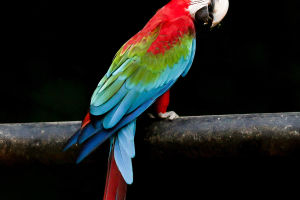
When you watch a bird flitting through trees, it's easy to assume it survives solely on insects.
But take a closer look, and you'll see a surprisingly varied menu. Birds' diets are shaped by their species, habitat, and even the season, creating a world of fascinating eating habits.
Insects: A Staple for Many
For countless bird species, insects are a primary food source. Small birds like warblers, flycatchers, and sparrows rely heavily on insects during the breeding season because they provide protein and lipids essential for growth and energy. Even within insects, preferences vary: some birds hunt caterpillars, others prefer beetles, and some focus on ants or flies.
- Example: Robins actively forage for earthworms and beetles in gardens, turning over leaves and soft soil with precision. You can try observing your backyard—leaves fluttering often indicate birds on the hunt for hidden insects.
Seeds and Grains: Energy on the Go
Not all birds are insectivores. Many rely on seeds and grains, which offer concentrated energy. Finches, sparrows, and doves often consume sunflower seeds, millet, or small grass seeds, especially when insects are scarce. These birds have beaks specially adapted to open shells and extract the nutrient-rich kernels inside.
- Example: Offering a small tray of mixed seeds in your backyard can attract finches and sparrows, providing a real-life demonstration of their preferred diet. Observing which seeds disappear fastest gives insight into their favorites.
Fruits and Berries: Nature's Sweet Treats
Fruit-eating birds, such as thrushes, orioles, and waxwings, supplement their diet with berries, cherries, or small fruits. Fruits are especially important in autumn and winter, offering sugars that give a quick energy boost. Some birds also help spread seeds, creating a mutual benefit for both plant and animal.
- Example: Planting a small row of berry bushes or crabapple trees can provide a natural buffet. Watching birds like cedar waxwings feast highlights their reliance on fruit when insects are less available.
Fish, Frogs, and Small Animals: Predatory Birds
Larger birds, like herons, eagles, and kingfishers, may hunt small fish, frogs, or even tiny mammals. These carnivorous diets require specific hunting skills, such as diving, swooping, or pecking at the water's surface. Such diets ensure high protein intake needed for their larger body sizes.
- Example: Observing a heron by a pond can reveal its patience and precision. It may stand motionless for minutes, then strike in a single, accurate motion to catch its prey.
Adaptations for Survival
Birds' diets aren't just about taste—they're tightly linked to survival. Beak shapes, digestive systems, and even feeding behaviors are adapted to their primary food sources. Some birds switch diets seasonally: hummingbirds may sip nectar in spring but consume insects in summer to meet protein needs.
- Example: Watching chickadees in winter shows how they store seeds in tree crevices, ensuring a steady food supply during harsh months. Their behavior illustrates how diet and survival strategies are intertwined.
Mixing It Up: Omnivorous Birds
Many birds don't stick to a single food type. Crows, jays, and starlings are omnivores, eating insects, fruits, seeds, and sometimes human scraps. This flexibility gives them an advantage in changing environments, allowing them to thrive in both forests and cities.
- Example: In urban areas, observing crows digging through grass for insects or snatching fruits from trees demonstrates their adaptability and diverse diet.
Even though insects form a crucial part of many birds' diets, they're far from the whole story. From seeds and fruits to fish and small animals, birds exhibit a remarkable range of feeding habits shaped by evolution and environment. The next time you spot a bird, notice not just how it moves, but what it eats—its choice of food tells a story about its species, survival, and daily life.
Engaging with birds' diets, whether through observation or creating a backyard habitat, provides a window into the complex world of nature. Understanding what birds eat enriches our appreciation of them, revealing that their daily meals are more than just simple insect hunting—they're a carefully balanced strategy for life.