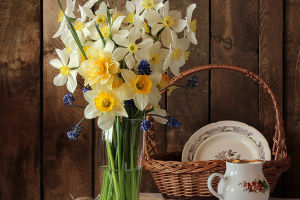
Sunflowers, with their bold golden petals and towering presence, are one of the most iconic symbols of summer.
Beyond their cheerful appearance, sunflowers (Helianthus annuus) are fascinating in their growth cycle, offering a unique blend of biology, horticulture, and visual appeal.
Understanding the journey from seed to bloom allows gardeners to appreciate not only their beauty but also the meticulous care and environmental factors that shape their development.
Selecting Seeds and Preparing Soil
The journey begins with choosing the right seeds. Sunflowers come in a variety of types, ranging from dwarf varieties suited for small garden spaces to giant hybrids that can exceed ten feet in height. Selecting a cultivar depends on your climate, desired size, and purpose—some are grown for ornamental display, while others are cultivated for edible seeds or oil production.
Soil preparation is critical for strong, healthy growth. Sunflowers thrive in well-draining, fertile soil with a slightly acidic to neutral pH. Incorporating organic matter such as compost or aged manure enhances soil structure, retains moisture, and provides essential nutrients. While sunflowers are hardy and can tolerate less-than-ideal conditions, enriched soil significantly improves stem strength, bloom size, and overall resilience.
Germination and Early Growth
Sunflower seeds require warmth and consistent moisture to germinate, typically sprouting within 7 to 10 days. Direct sowing outdoors is most effective once the threat of frost has passed, and the soil temperature has reached at least 55°F (13°C). During germination, gentle watering is essential; too much moisture can lead to rot, while too little delays sprouting.
As seedlings emerge, they display a pair of cotyledons, the first leaves that provide initial energy. At this stage, sunflowers benefit from spacing that allows ample airflow, reducing the risk of fungal disease and encouraging straight, sturdy stems. Gardeners may also thin crowded seedlings, selecting the most robust plants to continue growing. Early sunlight exposure shapes phototropism—the plant’s innate tendency to turn toward light—setting the stage for its characteristic heliotropic behavior.
Developing Stems and Foliage
Once established, sunflower plants enter a rapid vegetative phase. The stems elongate quickly, often several inches in a week, supported by an expanding network of roots that anchor the plant and facilitate nutrient uptake. Leaves unfurl in broad, coarse structures that maximize sunlight capture. During this period, supplemental feeding with a balanced fertilizer enhances growth, especially for varieties intended to reach maximum height or produce large flower heads.
Watering remains crucial; sunflowers require deep, infrequent irrigation that encourages roots to grow strongly into the soil. Shallow, frequent watering can lead to weak root systems, making tall plants more vulnerable to wind damage. Additionally, staking taller varieties helps prevent bending or snapping as stems elongate and flower buds start to develop.
Flower Bud Formation and Blooming
The transition from vegetative growth to flowering is a delicate stage that determines the plant’s final appearance. Flower buds, called inflorescences, emerge at the apex of the stem. These buds gradually enlarge and prepare to open, often facing east to optimize sunlight exposure—a phenomenon known as solar tracking, which sunflowers display even before full bloom.
As the flower head opens, hundreds of tiny florets form a composite structure, surrounded by the iconic yellow ray petals. Each floret is capable of producing seeds, making the bloom both aesthetically striking and biologically functional. During flowering, continued watering and occasional feeding with phosphorus-rich fertilizers support seed development and maintain vibrant petal coloration.
Pollination and Seed Development
Sunflowers rely on pollinators such as bees and butterflies to transfer pollen between florets. Pollination is crucial for seed formation, which typically begins a few days after the flower fully opens. Gardeners may enhance pollination by planting companion flowers that attract pollinators or by gently shaking flower heads to mimic natural insect activity.
Seeds mature over several weeks, gradually changing color and hardening. Once the seeds reach full maturity, the petals wilt, and the head may droop under the weight of the seeds. At this stage, it is important to protect the flower from birds and rodents if seeds are intended for harvesting.
Maximizing Sunflower Potential
Sunflowers are more than ornamental plants; they are a testament to resilience, adaptability, and ecological interaction. Choosing the right variety, providing nutrient-rich soil, ensuring adequate sunlight, and attending to water and pest management are all essential steps in guiding a seed through its remarkable journey to full bloom.
The satisfaction of witnessing a sunflower stand tall, facing the sun with vibrant petals and potential seeds, is a reward that combines science, care, and aesthetic joy.
From a tiny seed planted in prepared soil to a towering bloom that captures sunlight and attention alike, sunflowers embody the harmony of nature and nurture. Observing their growth teaches patience, attentiveness, and respect for the intricate processes that underpin life, leaving gardeners inspired and connected to the rhythm of the seasons.