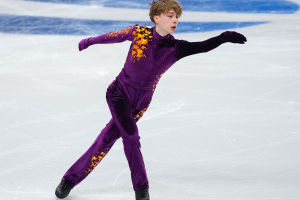
The sound of blades carving into the ice is strangely mesmerizing. Every glide, spin, and jump tells a story of balance, strength, and precision.
Figure skating is both athletic and artistic, challenging skaters to master control while expressing themselves.
For beginners and intermediate skaters alike, understanding the fundamentals and refining techniques can turn a tentative glide into a confident performance.
Choosing the Right Skates
The foundation of figure skating begins with the skates themselves. Proper fit and blade type directly affect balance, comfort, and skill progression.
Get the correct size: Skates that are too loose cause instability, while tight skates can restrict movement. A snug fit around the heel and ankle is key.
Consider blade quality: Blades vary in length, thickness, and toe pick shape. Beginners should start with standard figure skating blades to practice basic skills safely.
Break in new skates: Wear skates around the house in thick socks to soften the leather. This prevents discomfort and allows better control on the ice.
Example: A beginner might choose a slightly stiffer boot to support ankle stability, paired with a standard blade to practice glides and turns without the risk of tipping.
Mastering Balance and Posture
Good posture is essential for all figure skating movements, from simple forward glides to intricate spins.
Maintain an upright stance: Keep shoulders back, chest lifted, and gaze forward. Avoid leaning excessively forward or backward.
Bend knees slightly: This improves shock absorption, stability, and prepares you for jumps or spins.
Practice edges: Skate on the inside and outside edges of your blades to develop fine control over turns and curves.
Actionable tip: Spend 5–10 minutes practicing forward and backward glides on each edge. Focus on subtle weight shifts and controlled movements rather than speed.
Learning Spins and Turns
Spins and turns are central to figure skating routines, combining precision with artistry.
Start with simple pivots: Practice basic two-foot spins to get used to rotating without losing balance.
Advance to one-foot spins: Once stable, transfer weight onto one foot while keeping the other slightly raised and arms controlled.
Integrate arm movements: Use arms to maintain momentum and express style while turning.
Example: Set up cones or markers on the ice to practice controlled turns. Slowly increase rotation speed as confidence builds, paying attention to smooth entry and exit from the spin.
Practicing Jumps Safely
Jumps add excitement and technical challenge, but proper technique and safety measures are essential.
Focus on takeoff and landing: Bend knees for power, use arms for momentum, and keep eyes forward during the jump.
Break down jumps: Learn each component separately—approach, lift, rotation, and landing—before combining into a full jump.
Use protective gear if needed: Wrist guards and padded shorts can help beginners gain confidence without injury.
Actionable tip: Begin with small hops on the ice, gradually adding one rotation. Concentrate on soft landings, using knees to absorb impact and maintain balance.
Building Stamina and Performance
Endurance and strength are crucial for long routines that combine jumps, spins, and choreography.
Off-ice training: Incorporate strength exercises like squats, lunges, and core workouts to improve power and stability.
Interval practice: Alternate between high-intensity skating and rest periods to simulate routine pacing.
Focus on flow: Link elements smoothly to create an elegant, effortless appearance while reducing fatigue.
Example: Skate a short routine of 2–3 minutes at moderate speed, resting briefly between each element. Gradually extend the routine as endurance improves.
Figure skating is a dance of precision, balance, and expression. Each glide teaches awareness of your body, the ice, and the subtle art of movement. By focusing on the right skates, maintaining posture, mastering turns and spins, and building strength, you can transform tentative strides into polished performances.
Every session on the ice brings new insights, showing that figure skating is not just about technique—it's about discovering grace, confidence, and the joy of moving with elegance.